5-Step Framework for AI Implementation in Enterprises
Discover a proven 5-step framework to implement AI in enterprise operations and maximize ROI effectively.

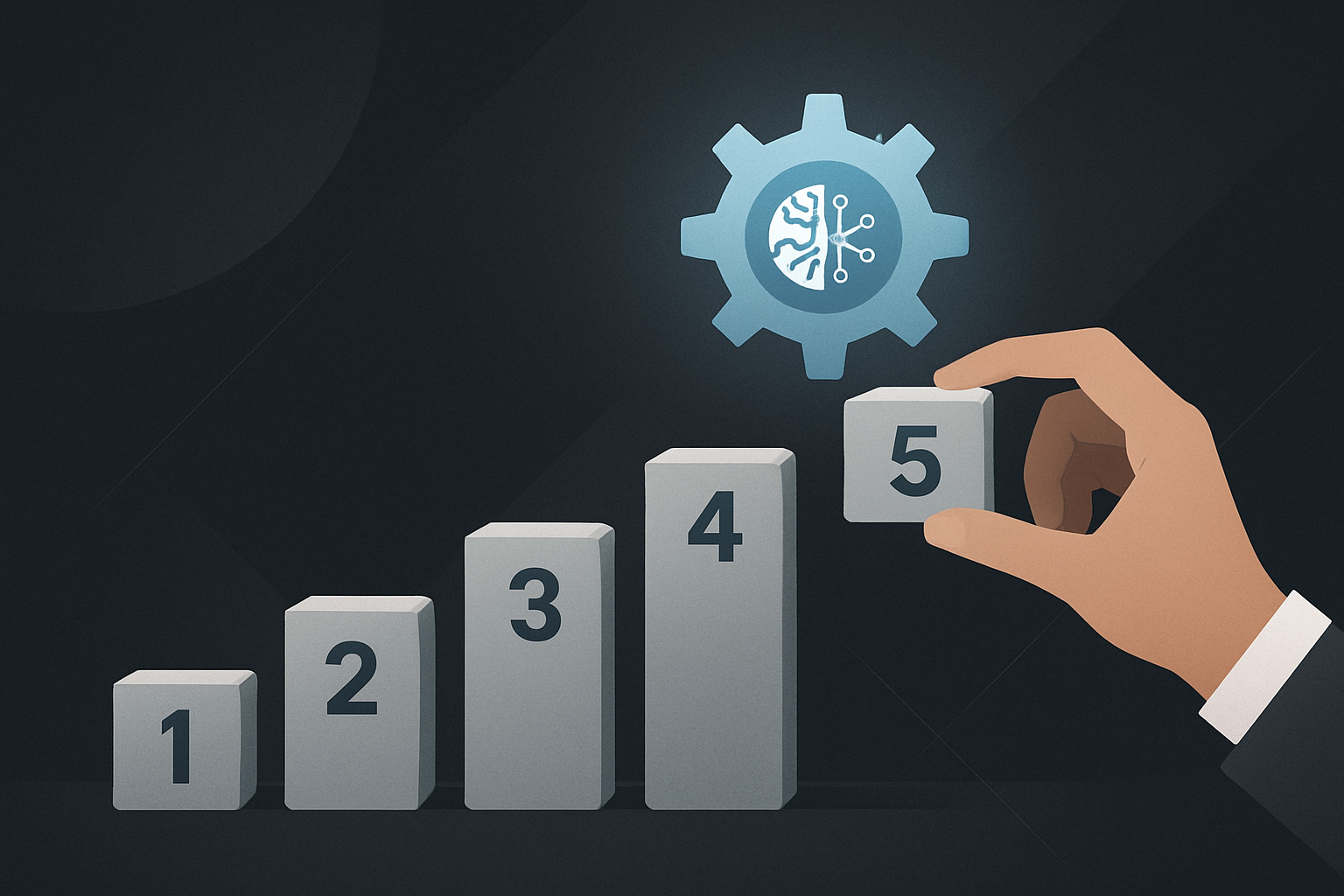
Short answer: Implementing AI in enterprise operations involves a structured 5-step framework: defining clear objectives, piloting with precision, scaling with standardization, measuring and optimizing ROI, and fostering a culture of continuous learning. This approach ensures AI initiatives align with business goals, drive efficiency, and maximize profitability.
Implementing AI in Enterprise Operations: A 5-Step Framework
Incorporating AI into enterprise operations isn't just a trend; it's a necessity for companies seeking efficiency and competitive edge. A well-executed AI strategy can automate repetitive tasks, optimize decision-making, and enhance customer interactions. However, the implementation must be precise and structured to yield tangible results.
Step 1: Define Clear Objectives
Before diving into AI, it's crucial to establish clear, measurable goals. These objectives should align with the broader business strategy and address specific pain points. According to IBM [3], objectives could range from improving operational efficiency by a certain percentage to reducing customer service response times. Having precise goals not only facilitates evaluation but also ensures that AI initiatives are directly tied to business value.
Step 2: Pilot with Precision
Initiate your AI journey with a pilot project that has clearly defined success criteria. VisioneerIT emphasizes the importance of this step to objectively evaluate the AI's impact [2]. The pilot should focus on a single use case where AI can deliver measurable improvements, such as automating routine tasks or enhancing data-driven decisions. This phase allows organizations to test hypotheses and gather insights without committing large resources.
Step 3: Scale with Standardization
Once the pilot demonstrates value, the next step is scaling AI capabilities across the enterprise. The process should be industrialized through standardized platforms and repeatable processes, as highlighted in the VisioneerIT guide [2]. This ensures consistency and efficiency, reducing the complexity often associated with large-scale AI deployments. Implementing governance structures and change management protocols are critical for smooth transitions and adoption.
Step 4: Measure and Optimize ROI
Tracking the return on investment is essential for assessing the success of AI initiatives. Propeller provides a formula to calculate ROI effectively: Net Benefit = Total Benefits, Total Investments [9]. Additional metrics like Payback Period can offer further insights. Regularly reviewing these metrics enables organizations to optimize their AI strategies, ensuring alignment with business objectives and maximizing financial gains.
Step 5: Foster a Culture of Continuous Learning
AI isn't a set-and-forget solution. It requires ongoing learning and adaptation. Encourage a culture where employees are empowered to work alongside AI, leveraging it as a tool to enhance their capabilities. Moveworks suggests that AI copilots can significantly reduce friction in routine tasks, allowing employees to focus on strategic initiatives [1]. Continuous training and feedback loops will ensure that AI systems evolve alongside business needs.
Conclusion: The Path Forward
Implementing AI in enterprise operations is a journey that demands structured planning and execution. By following this 5-step framework, companies can harness AI's potential to drive efficiency, innovation, and profitability.
Frequently asked questions
What are the key objectives when implementing AI in enterprises?
Key objectives include improving operational efficiency, reducing customer service response times, and aligning AI initiatives with the broader business strategy. Clear, measurable goals are essential to facilitate evaluation and ensure that AI initiatives are directly tied to business value.
How should an enterprise start its AI journey?
An enterprise should start its AI journey by initiating a pilot project with clearly defined success criteria. The pilot should focus on a single use case where AI can deliver measurable improvements, allowing organizations to test hypotheses and gather insights without committing large resources.
What is the importance of scaling AI with standardization?
Scaling AI with standardization ensures consistency and efficiency, reducing the complexity often associated with large-scale AI deployments. It involves industrializing the process through standardized platforms and repeatable processes, as well as implementing governance structures and change management protocols for smooth transitions and adoption.
How can enterprises measure and optimize the ROI of AI initiatives?
Enterprises can measure and optimize the ROI of AI initiatives by tracking metrics such as Net Benefit and Payback Period. Regularly reviewing these metrics enables organizations to optimize their AI strategies, ensuring alignment with business objectives and maximizing financial gains.
Why is fostering a culture of continuous learning important in AI implementation?
Fostering a culture of continuous learning is important because AI requires ongoing learning and adaptation. Encouraging employees to work alongside AI and leveraging it as a tool enhances their capabilities, while continuous training and feedback loops ensure that AI systems evolve alongside business needs.
Next step
Which process does your operation run on?
Pick the process slowing you down and apply. We assess whether your operation is a fit, and whether we're the right firm for it.
Review my workflow