AI Transforms Supply Chain Logistics
Discover how AI automates supply chain logistics for efficiency.

Short answer: AI is revolutionizing supply chain logistics by improving route efficiency, enhancing order fulfillment accuracy, and reducing inventory costs. Companies integrating AI into their logistics operations are seeing significant savings and setting industry standards. The technology is becoming an essential component of modern logistics workflows.
The Unseen Costs of Inefficiency
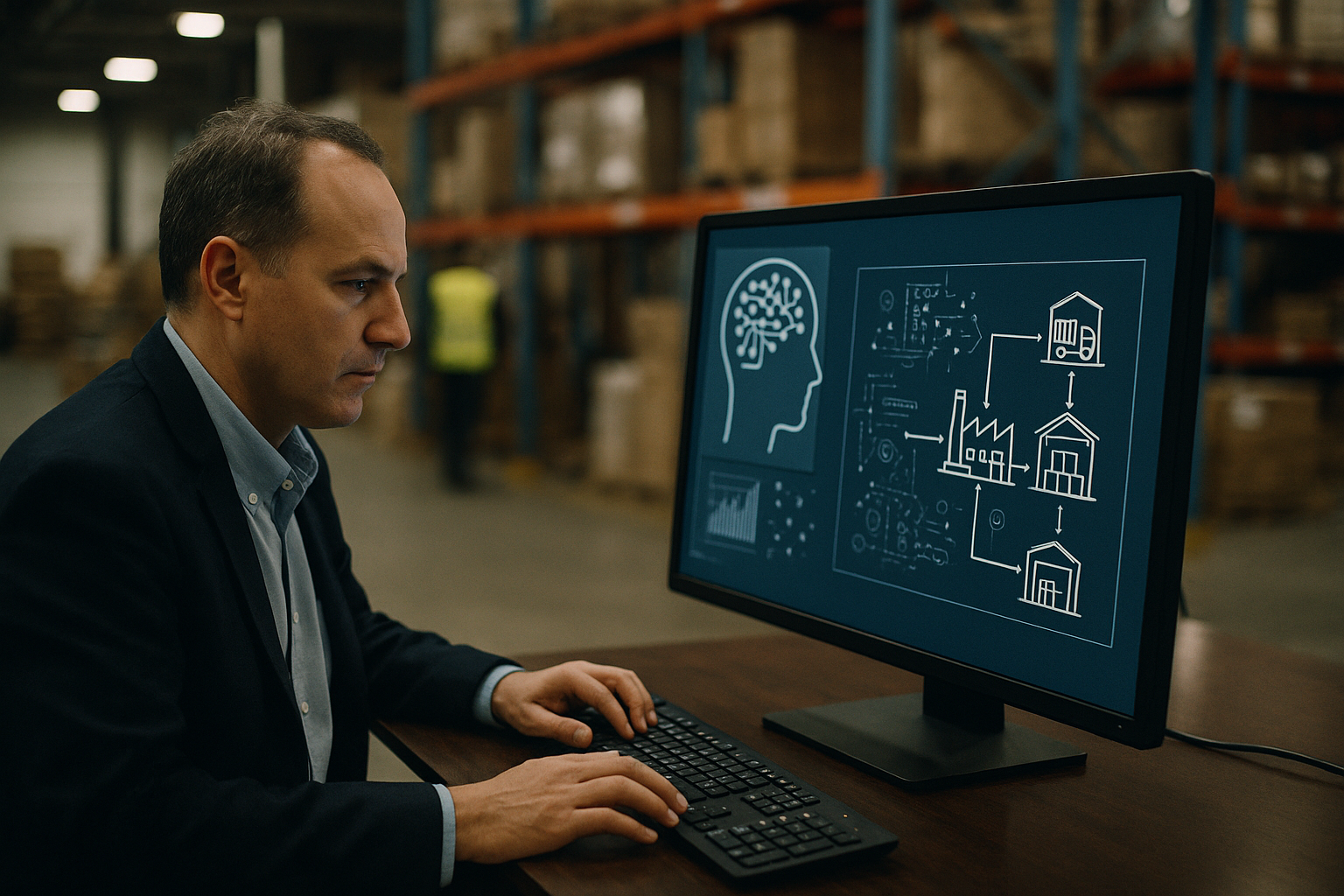
- Financial Impact: A single percentage point improvement in route efficiency can save hundreds of thousands of dollars annually for a mid-size fleet.
- Current Assumptions: Many businesses believe their systems are 'good enough', missing out on potential savings.
- High ROI: Route optimization is one of the highest ROI applications of AI in logistics.
Real-World Impact
Take the example of a logistics company in Latin America that automated its last mile operations using AI. Within just 24 months, they saw an 8, 15 percentage point improvement in order fulfillment accuracy. This transformation is possible because AI enhances supply chain visibility and automates documentation for physical goods, as noted by IBM.
The Barriers to Full AI Integration
Let's be clear: AI isn’t a magic wand. Physical movement of goods still presents a barrier to full implementation. According to Inbound Logistics, while AI can automate many planning and managerial tasks, the physical logistics remain a challenge. Yet, companies that manage to integrate AI into their operations can see reductions in inventory carrying costs and fewer costly stock-related disruptions.
Looking Ahead: The AI-Driven Future
By 2026, AI will shift from being an optional enhancement to an expected component of logistics workflows. Logistics Viewpoints predicts that organizations combining disciplined data practices with AI will outpace their competitors. The AI hype may have peaked in 2025, but the results are only beginning to surface. The companies that embrace this technology now will be the ones setting industry standards in the near future.
Why Wait?
You might be thinking, "Is now the right time to invest in AI for my supply chain?" The answer is a resounding yes. ABI Research’s survey of 490 supply chain professionals reveals a growing trend towards AI adoption. As the technology matures, those who delay will find themselves playing catch-up.
Are you ready to unlock the potential of AI in your logistics operations? Don't wait until you're left behind. Consider applying for an assessment to see how AI can benefit your business.
Frequently asked questions
What are the main benefits of AI in supply chain logistics?
AI in supply chain logistics offers improved route efficiency, enhanced order fulfillment accuracy, and reduced inventory costs. These benefits lead to significant savings and help companies set industry standards. AI also enhances supply chain visibility and automates documentation, making logistics operations more efficient.
What challenges exist in fully integrating AI into logistics?
The main challenge in fully integrating AI into logistics is the physical movement of goods, which AI cannot automate. While AI can handle planning and managerial tasks, physical logistics remain a hurdle. However, companies that overcome this challenge can reduce inventory carrying costs and avoid stock-related disruptions.
How soon will AI become a standard in logistics workflows?
AI is expected to become a standard component of logistics workflows by 2026. Organizations that combine disciplined data practices with AI will likely outpace competitors. Although AI hype may have peaked by 2025, the results are just beginning to surface, making early adoption crucial for setting future industry standards.
Is it the right time to invest in AI for supply chain logistics?
Yes, now is the right time to invest in AI for supply chain logistics. A growing trend towards AI adoption is evident, and delaying investment may result in playing catch-up. Companies should consider AI for sales and customer operations to unlock the full potential of their logistics operations.
How can a company start integrating AI into their logistics operations?
Companies can start integrating AI into their logistics operations by first assessing their current systems and identifying areas for improvement. Engaging with experts like Kemeny Studio can help in developing a tailored AI strategy. Applying for an AI Workflow Validation Sprint can also provide valuable insights into potential AI applications.
Next step
Which process does your operation run on?
Pick the process slowing you down and apply. We assess whether your operation is a fit, and whether we're the right firm for it.
Review my workflow